LOW-CARB DIET FOR BACK PAIN
A low-carb diet for back pain works on what sits behind the spine: high insulin, belly fat and the inflammation they feed. It is not a cure for a disc. Done well, it lowers the chemical load on every joint you have. Plan the first week, because that is when people quit.
Here is the trap. In the first few days, a low-carb plan can make a sore back feel worse. You get cramps. You feel light-headed when you stand up. You think it is a flare, so you stop. The plan did not fail. It was working, and nobody told you what working feels like.
We now have a clear map for that week. On October 2, 2026, the Society of Metabolic Health Practitioners published a guideline on how doctors should start and run low-carb care. We use it here as the supporting document. Dr. Padda holds this society’s Metabolic Health Practitioner credential. He did not write or vote on this guideline.
Can a low-carb diet help back pain?
It can, through the terrain the spine lives in. The 2026 guideline says cutting carbs lowers high insulin, shrinks the fat packed around the organs and calms inflammation. Each of those reaches your back.
High insulin and high blood sugar stiffen the collagen in discs and joints. Belly fat is not just padding. It sends out inflammatory signals all day, and those signals lower the point where pressure turns into pain. That is why two people with the same disc bulge can feel so different. We explain that chain in more detail on our page about metabolic health and back pain.
The guideline does not name back pain as a target. It does say something useful. As metabolic health improves, joint pain may improve too, so the medicines for it need review. Our position goes further. In Dr. Padda’s practice, roughly 93% of chronic pain involves metabolic dysfunction. Practice-reported figures from our own population, not trial outcomes, and individual results vary.
Will losing weight help my lower back pain?
Yes, but the scale is the slowest number to move and the least important one. Less weight means less load on the lower spine. The bigger win is chemical. Insulin and inflammation can start to fall before the scale moves at all. We cover the load side on our page about weight and the lumbar spine.
Dr. Padda learned this the hard way. For years he was a strict vegetarian who defended the standard diet advice. A plate of beef at a Kansas City barbecue joint ended that. The physiology changed his mind, and he now tells patients so. Red meat and fish are on our plate. Industrial seed oils and refined grains are off it. Real olive oil is fine.
What do you eat on a low-carb plan?
The guideline keeps it simple. Low-carb means under 130 grams of carbohydrate a day. Most people reach ketosis, the fat-burning state, somewhere under 50 grams. You do not have to be in ketosis to get a metabolic benefit.
- Protein first. About 25 to 30 grams a meal. Muscle guards the spine, and it also burns blood sugar.
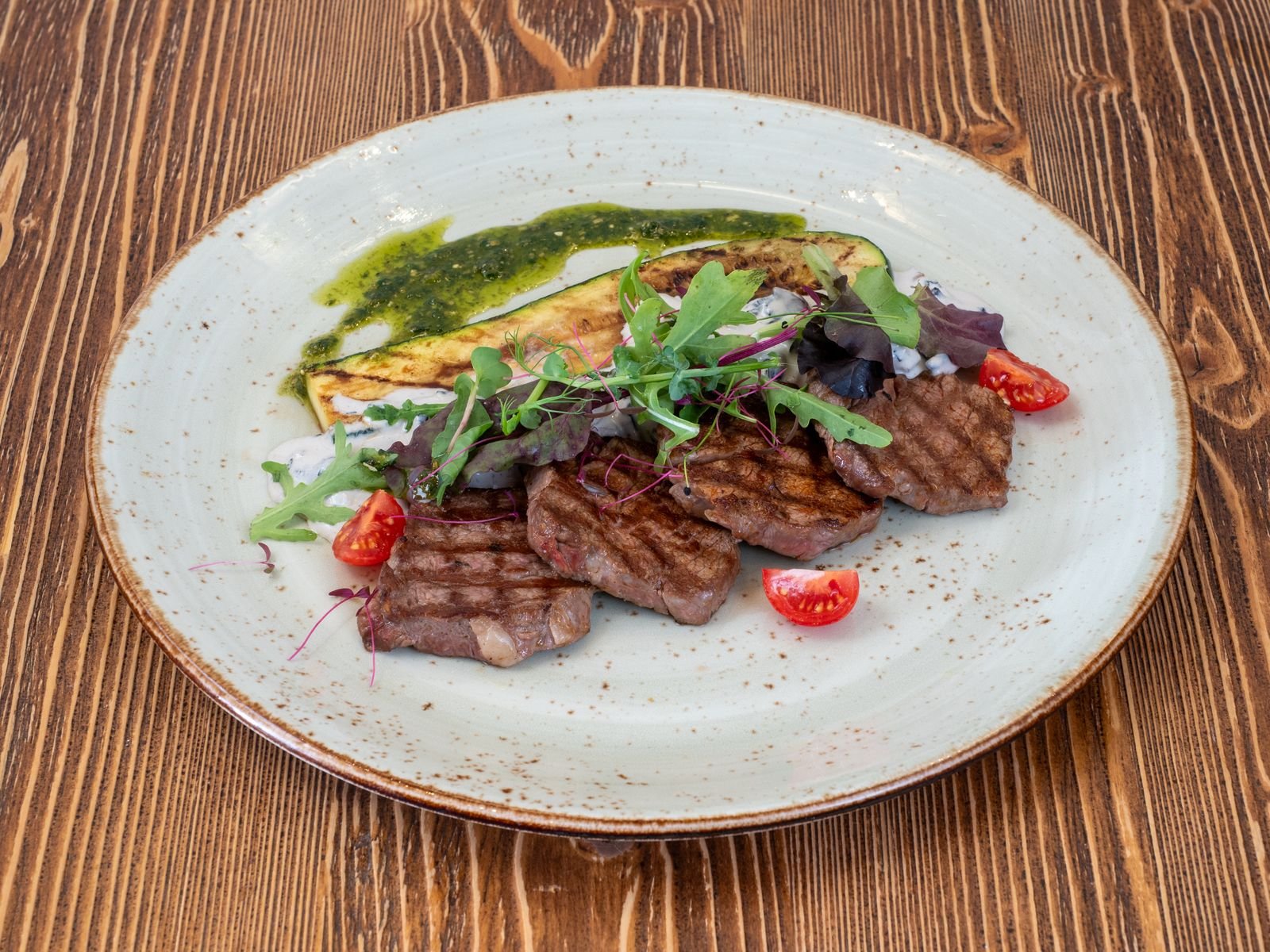
- Whole foods. Meat, fish, eggs, dairy and vegetables that grow above the ground.
- Carbs from plants, not packages. Leafy greens, tomatoes, olives, avocados and berries. Bread, pasta, rice, cereal and potatoes go.
- Fat until you are full. The guideline says counting calories is not generally needed. Count total carbs, not “net” carbs.
Cost is the first objection, and it is fair. The guideline says this way of eating costs about the same as a standard diet. It has been used in low-income communities. The harder part is not the grocery bill. It is a shift schedule and a break room built around chips and soda. That is a system problem, not a willpower problem, and we plan around it with you.
Is back pain a common symptom of the keto diet?
Muscle cramps are, and a cramp in the low back feels a lot like a flare. The guideline explains why. When carbs drop, insulin falls. Then the kidneys let go of salt and water. Start-up symptoms begin within two to three days. They often pass in a few days, but can last two to four weeks.
Watch for cramps, headache, tiredness, light-headedness and constipation. A cramp that comes and goes is different from the guarding spasm of an injured back. Treat the salt loss first.
- Salt. The guideline suggests 2 to 3 grams of sodium a day for most people. That is 5 to 7 grams of salt. Salt your food or drink bone broth.
- Potassium. Leafy greens, tomatoes, cucumbers, zucchini and eggplant.
- Magnesium for cramps. 200 to 400 mg a day, if you have no kidney disease, are not pregnant and have no nerve-muscle disease. A spoonful of pickle juice or yellow mustard also works for some.
- Water. At least 2 liters a day if you get constipated.
If you have heart or kidney disease, your salt and protein targets are your doctor’s call, not this list’s.
Why do I feel dizzy when I stand up on low-carb?
This is the part a back patient most needs to hear. The same salt and water loss lowers blood pressure. If you already take a blood pressure pill, the pill and the diet now push the same way. You stand up from a chair your back already hates, the room tilts, and you grab the counter. A fall is the last thing a sore spine needs.
The guideline says to check your blood pressure at home every day at the start. Blood pressure medicines get reviewed when you begin, then every two to four weeks. Medication changes are made by your doctor, especially insulin, sulfonylureas, SGLT2 inhibitors and blood pressure drugs. Never change a dose on your own. Bring your readings. They tell us when it is time.
Your pain pills belong on that list too. The guideline names NSAIDs, such as ibuprofen and naproxen, and opioid pain medicines among the drugs that can push sodium too low. Low sodium adds to the dizziness and cramps of the first week. Show your doctor every pain pill you take, including the ones you buy at the store.
What blood tests should I get first?
The guideline’s starting tests include weight, waist, blood pressure, a metabolic panel, cholesterol and A1C. It lists fasting insulin as an optional extra. We do not treat it as optional. In our clinic, a fasting insulin above 10 µIU/mL is high risk. We also check GGT, a liver enzyme, and flag it above 20 U/L. Insulin climbs years before blood sugar does. A normal A1C can hide a back that is living in an inflamed body.
One honest limit. This guideline is an expert consensus, not a clinical trial. All 18 of its statements cleared a 70% agreement bar. The review behind it did not grade the evidence, and some authors have paid ties to the society.
So what do you do Monday?
Get the pain generator examined. An injection or a block can buy you the window to walk again. Then change what is on the plate. Salt your food the first week. Take your blood pressure every morning. Walk after dinner, because working muscle pulls sugar out of the blood. Protect your sleep, since short nights raise insulin resistance and lower your pain threshold.
Treat this like an injection. It needs a plan, a start date and follow-up. Your spine is carrying more than your weight. It is carrying your blood work. You can change that load, starting this week.
Our diet and metabolic health coaching page lays out the step-by-step eating protocol we use with back patients, from walking after meals to the eating window.
Frequently asked questions
Is ketosis hard on your kidneys?
For most people, no, but kidney disease changes the plan. The 2026 guideline sets protein near 0.8 grams per kilogram of body weight a day for people with kidney disease. Ketosis from food is also not the same as diabetic ketoacidosis. Diet-driven ketone levels stay far below that dangerous range.
Do I need to stay in ketosis for my back?
No. The guideline describes low-carb as a range. Under 130 grams a day already counts, and ketosis is not always needed for metabolic benefit. We start where you can stay, then adjust from your labs and your pain diary.
Will my cholesterol go up on a low-carb diet?
LDL can rise for a while during weight loss and often returns to where it started. HDL usually rises and triglycerides fall. The guideline’s authors say some questions remain until long-term heart studies are done, so we recheck your numbers rather than guess.
Sources
- Rice SM, Buchanan LA, Calkins MW, et al. A Delphi consensus-based guideline for the implementation of therapeutic carbohydrate reduction in metabolic disorders. Journal of Metabolic Health, 2026;9(1):a152. doi:10.4102/jmh.v9i1.152